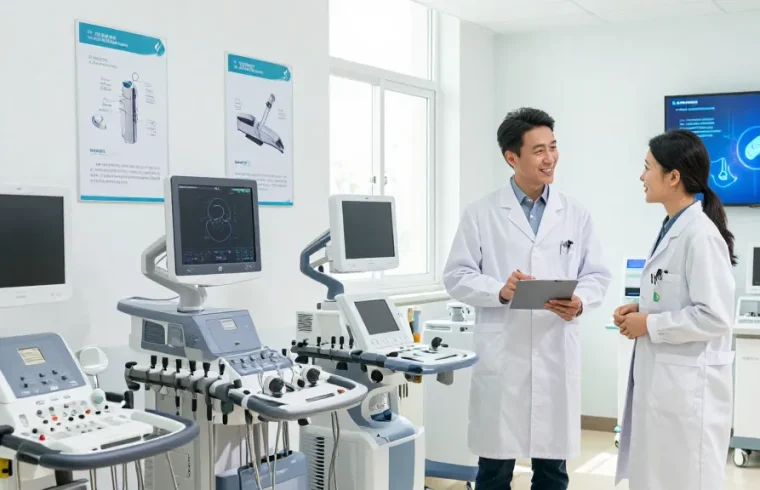
Understanding the Medical Equipment Landscape in Edmonton
Edmonton is a hub for healthcare innovation, and the medical equipment market here reflects the city’s commitment to quality healthcare. With a growing population and increasing demand for advanced healthcare services, the medical equipment sector is evolving to meet these needs. Understanding the landscape of medical equipment edmonton is essential for healthcare professionals, suppliers, and patients alike, as it shapes the future of patient care in the region.
Trends in Medical Equipment Usage
One of the most noteworthy trends in Edmonton’s medical equipment landscape is the increased adoption of digital technologies. Telehealth services have surged, driven by the COVID-19 pandemic, leading to a greater demand for equipment that supports remote patient monitoring and virtual consultations. Additionally, the emphasis on patient safety and infection control has led to innovations in sterilization equipment and personal protective gear.
Moreover, there is a noticeable shift toward integrated health systems that prioritize comprehensive patient care. As healthcare providers move towards value-based care models, there is a growing focus on acquiring equipment that enhances collaboration among multidisciplinary teams.
Key Players in the Edmonton Medical Equipment Market
Edmonton’s medical equipment market features a mix of local manufacturers, national distributors, and international equipment suppliers. Notable companies such as Edmonton Medical Supply and Surgical Solutions are prominent players, providing a diverse range of products from surgical instruments to diagnostic devices. These companies not only supply equipment but also offer essential services like training and maintenance, ensuring that healthcare professionals are equipped to utilize the latest technology effectively.
Common Challenges Faced by Healthcare Professionals
Despite the advancements in medical equipment, healthcare professionals in Edmonton face significant challenges. One major issue is budget constraints, which often limit access to the latest technologies. Many facilities struggle to upgrade their equipment due to rising costs and shrinking government funding.
Furthermore, keeping up with regulatory changes can be daunting. Healthcare practitioners must ensure that their equipment meets safety standards and complies with provincial regulations, which can be a resource-intensive process.
Evaluating Medical Equipment Options
Criteria for Choosing the Right Medical Equipment
Selecting the appropriate medical equipment is crucial for optimizing patient care. When evaluating options, healthcare providers should consider factors such as:
- Functionality: Does the equipment meet the specific needs of the practice or facility?
- Reliability: Is the equipment known for its durability and effectiveness?
- Support Services: Does the supplier offer maintenance, training, and customer service?
- Cost: Is it within the budget, and does it offer good value for the investment?
Comparative Analysis of the Leading Brands
In the competitive landscape of medical equipment, several brands stand out due to their reputation for quality and service. Brands like Philips Healthcare and GE Healthcare are known for their innovative imaging and monitoring devices. Meanwhile, local brands provide tailored solutions that cater specifically to the needs of Edmonton’s healthcare providers. Analyzing feedback from peers, attending demonstrations, and utilizing trial periods can aid in making an informed choice.
Cost-Effectiveness and Budgeting for Medical Equipment
Budgeting for medical equipment is a critical task that requires strategic planning. Healthcare facilities must balance immediate needs with long-term goals. Investing in high-quality equipment may seem daunting, but it can lead to cost savings over time through reduced maintenance and greater reliability. Additionally, considering refurbished equipment or leasing options can help alleviate upfront costs.
Innovative Technologies in Medical Equipment
Telemedicine and Its Impact on Equipment Needs
The rise of telemedicine has significantly influenced the medical equipment landscape. Healthcare providers are increasingly investing in devices that facilitate remote consultations and monitoring. Equipment that integrates with telehealth platforms is becoming essential, as it allows for seamless communication between patients and healthcare professionals. This trend is expected to continue, emphasizing the need for suppliers to adapt to evolving technologies.
Emerging Technologies to Watch in 2026
As we look to 2026, several emerging technologies are set to revolutionize the medical equipment sector. Innovations such as robotics in surgery, advanced imaging technologies like AI-driven MRI, and smart wearables for real-time health tracking are on the horizon. These advancements will not only enhance diagnostic accuracy but also improve patient outcomes and streamline workflows in healthcare settings.
How AI is Revolutionizing Medical Equipment
Artificial intelligence (AI) is making significant strides in the medical equipment industry. From predictive analytics that help in early diagnosis to AI-assisted surgical robots, the impact of AI is profound. These technologies enable healthcare providers in Edmonton to deliver more personalized and efficient care. As AI systems become more integrated into everyday practices, training and adaptation will be crucial for healthcare professionals.
Best Practices for Equipment Maintenance
Regular Maintenance Schedules: Importance and Implementation
Maintaining medical equipment is vital for ensuring patient safety and operational efficiency. Establishing a regular maintenance schedule helps prevent unexpected breakdowns and extends the lifespan of equipment. Healthcare facilities should implement a robust maintenance plan that includes periodic inspections, routine cleaning, and timely repairs.
Training Staff to Use and Maintain Equipment Effectively
Proper training is essential for ensuring that healthcare staff can effectively use and maintain medical equipment. Organizations should invest in comprehensive training programs that cover both the operational aspects and troubleshooting techniques. This investment not only enhances the staff’s confidence but also minimizes the risk of equipment misuse.
Common Mistakes and How to Avoid Them
One of the common mistakes healthcare facilities make is neglecting the importance of documentation. Keeping accurate records of maintenance, repairs, and staff training can help track equipment performance and compliance with regulations. Additionally, failing to engage with the equipment’s manufacturer for support and updates can lead to missed opportunities for improvements and upgrades.
Future Trends and Predictions in Medical Equipment
The Role of Sustainability in Medical Equipment
Sustainability is becoming an increasingly significant consideration in the medical equipment industry. Healthcare facilities are exploring eco-friendly options, including recyclable materials and energy-efficient devices. Future innovations are likely to focus on reducing waste and minimizing the environmental impact of medical devices, which can also result in cost savings.
Predicted Innovations in Medical Equipment for 2026
Looking ahead, we can anticipate a wave of innovations that will further enhance patient care. Technologies such as 3D printing for custom prosthetics, advanced telehealth systems, and smart diagnostic tools that utilize machine learning algorithms are expected to dominate the market. These innovations will not only improve efficiency but also enhance the quality of care provided to patients in Edmonton.
Preparing for Regulatory Changes and Compliance
The medical equipment landscape is heavily influenced by regulatory bodies that ensure the safety and efficacy of devices. Healthcare professionals must stay informed about potential regulatory changes, such as increased scrutiny on data privacy and device interoperability. Being proactive in understanding these changes can help facilities adjust their practices and maintain compliance.
What is the best medical equipment supplier in Edmonton?
While the “best” supplier may vary based on specific needs and preferences, several reputable suppliers in Edmonton are well-regarded for their quality products and services. It’s recommended to evaluate suppliers based on criteria such as product range, customer service, and support options.
How can I ensure the safety of medical equipment?
Ensuring the safety of medical equipment involves adhering to best practices for maintenance, regular inspections, and staff training. Additionally, following manufacturer guidelines and keeping up with regulatory standards is essential for maintaining equipment safety.
What are the latest innovations in medical technology?
The latest innovations in medical technology include AI-assisted diagnostic tools, telemedicine platforms, and wearable health monitors. These advancements are focused on improving patient outcomes and streamlining healthcare delivery.
How to choose the right medical equipment for my practice?
Choosing the right medical equipment involves assessing the specific needs of your practice, considering budget constraints, and analyzing different brands and their offerings. Engaging with suppliers through demonstrations and consultations can also aid in making informed decisions.
What regulatory considerations should I be aware of?
Healthcare practitioners should be aware of various regulatory considerations, including device safety standards, data protection laws, and compliance with provincial regulations governing medical equipment use.